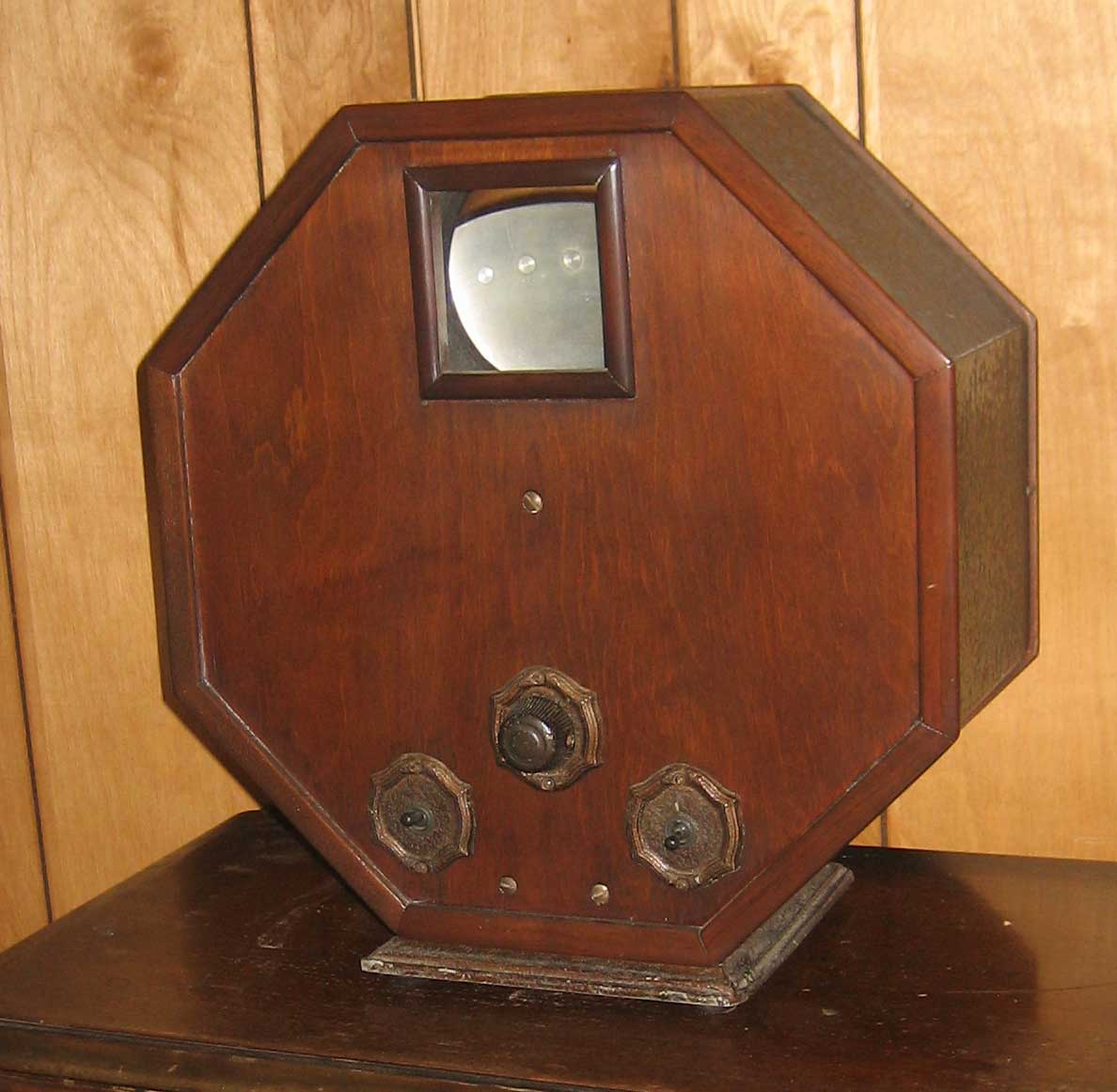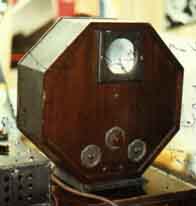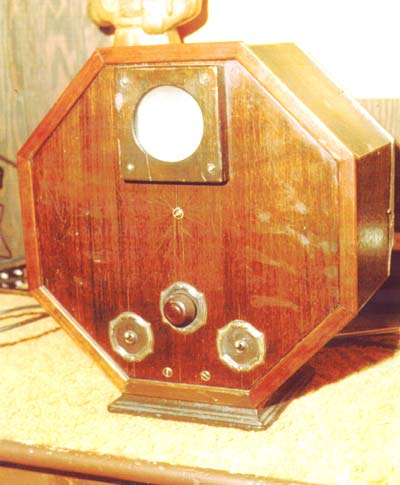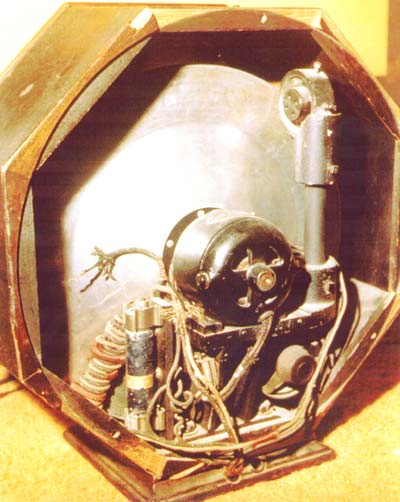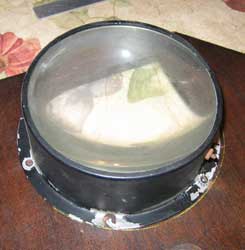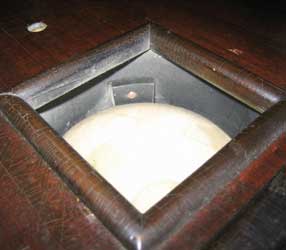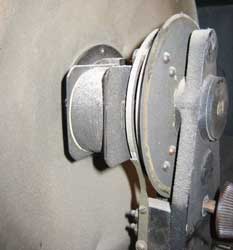

Mechanical Television General Electric Octagon Replica (click on picture for high resolution image) General Electric made the Octagon in 1928 as part of their experimental TV program in Schenectady, New York. The first TV drama, the Queen's Messenger, was produced in September of that year by GE. Here is a YouTube video of a I've Got a Secret TV show featuring the set. This set was found in central California, where it apparently came from a yard sale. It had an additional lens in front of the viewing opening (not shown in the above photo), which is most likely not original. At first we thought that some parts were replicas, and that this set was reconstructed from a partially complete unit. After inspecting another Octagon, we have concluded that this set is made entirely of replica parts. We have been told that GE had at least one Octagon that they loaned out to GE dealers in the 50s to show GE's history. As this set had a plastic GE emblem on the front when we got it, that may explain the why this replica was made.Here is more information. Five original Octagon sets have survived into modern times. All but one are in museums, and one that surfaced in California in the 80s was probably destroyed.
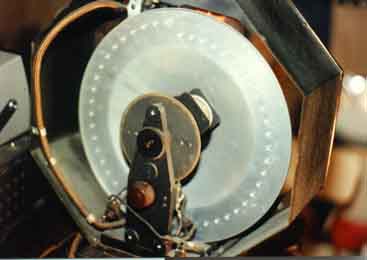
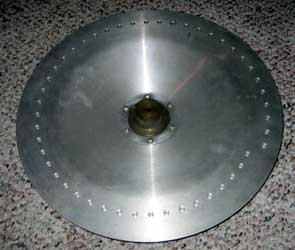
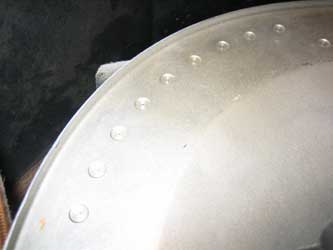
Details of the scanning disk courtesy of Peter Yanczer
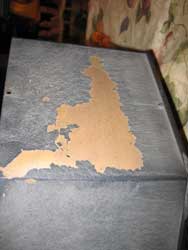
This set was in a TV repair shop in Berkeley, California until a few years ago. The owner took it to the town's recycling center so that the aluminum could be recycled. (Courtesy of Gary Schneider).Could this set have been part of the test described in this article?
We know of five Octagons that survived into recent times.. One is at the MZTV museum in Toronto, one at the Henry Ford Musuem, one at the Schenectady Museum, and one with a private collector. This was the fifth. At one time it was believed that only four of these sets were made. However, the fact that 5 survived indicates the a fairly large number were made.
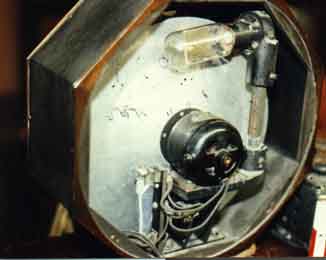
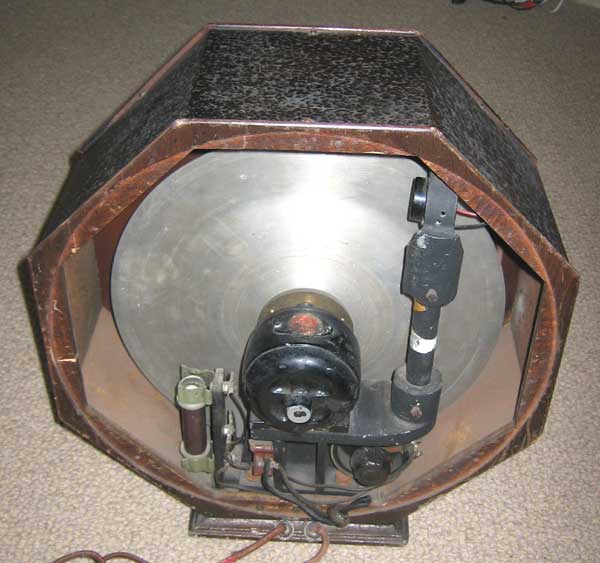
Here is the rear view of our Octagon
Our Octagon case (left) is steel with a hammered finish, while the original (right) is brass with a fabric material glued to it
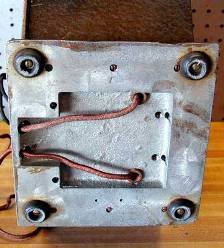
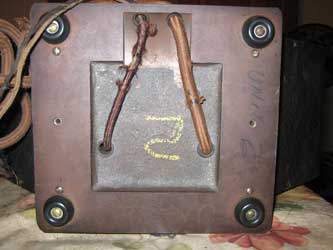
Our base (left) appears crude next to the original. Also, ours has extra holes
Our disk (left) is made of 1/8" thick aluminum, machined to produce the shape, while the original is very thin and pressed
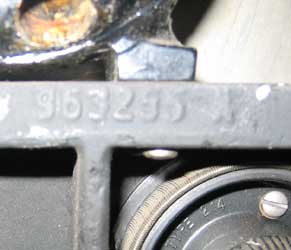
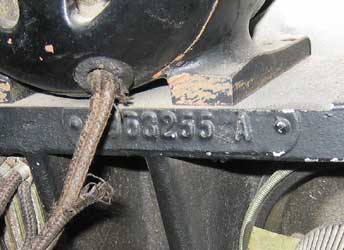
The original (right) has a part number plate riveted to the motor base. Ours was cast with the plate attached
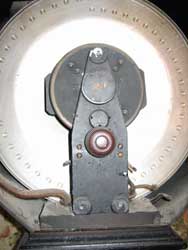
Pictures of the original synchronizer. AC voltage from the power line was applied to the coils, which causes the motor to be synchronized to the 60 Hz power line
|