
Mechanical Television
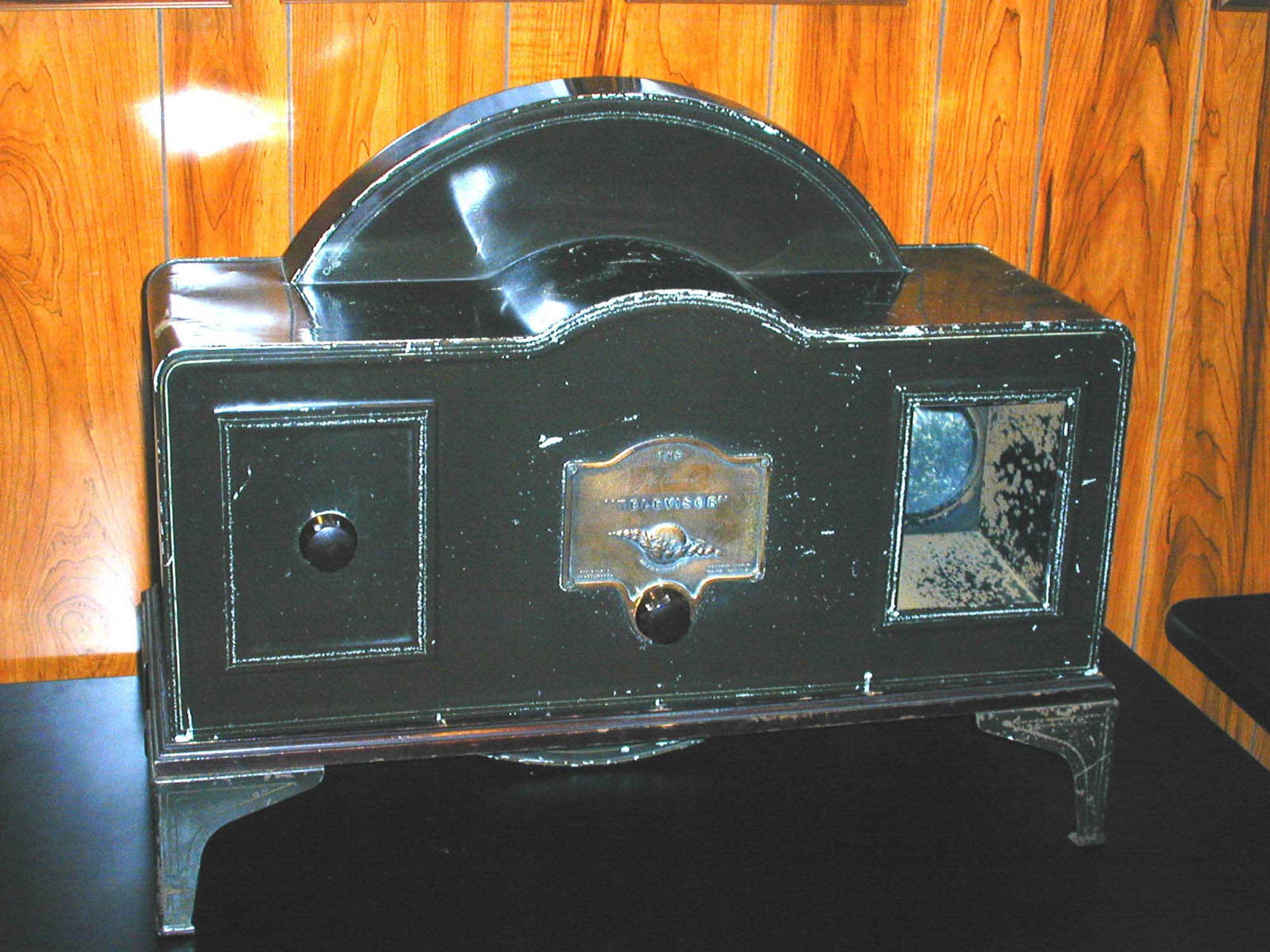
Baird Televisor
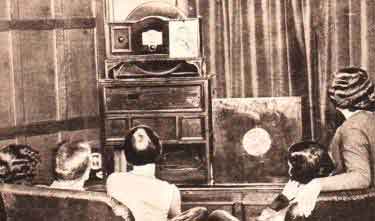
(click on picture for high resolution image) The Baird Televisor was made by Plessey in England from 1929 through the early 30s. It was the first television receiver sold to the public. About 1000 of these sets were made and sold for about 26 British Pounds, which, at the time, was a considerable amount of money. When buying a Televisor, the purchaser signed a contract, which described the programming available. The Televisor was also available in kit form. This is serial number 717.
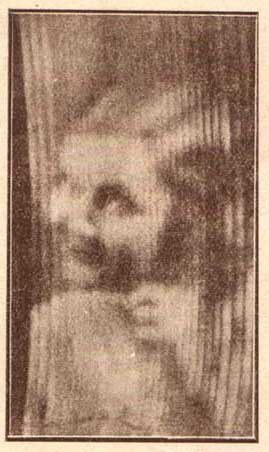
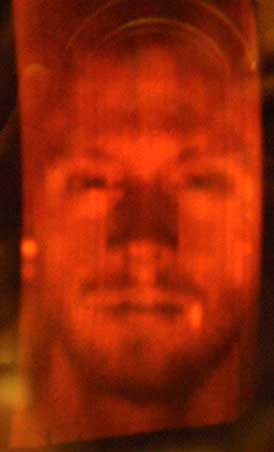
The set uses a 30 line scanning disk, and is about 3 feet wide and two feet high. The image is about the size of a postage stamp.
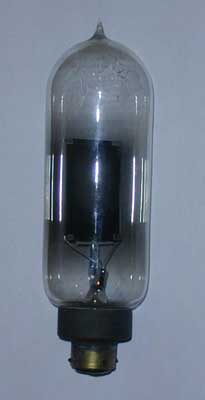
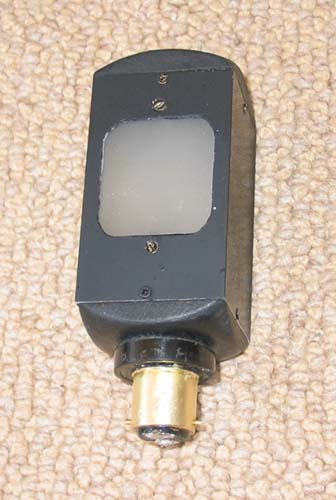
Because neon tubes have a limited life, we have modified a LED neon replacement made by Peter Yanczer and installed it in the set so we can operate it without wearing out the original neon. This set is now displaying pictures, for the first time in about 70 years.
|